Fight to get Ukraine loan deal goes on as leaders task aides to break impasse – POLITICO
Running out of money
For weeks, politicians have been unable to agree on which version of a financing plan they want. Belgium, in particular, has been opposed to the main plan of using Russian assets frozen in Europe. Belgium, which hosts the bulk of the funds and fears it is especially exposed to legal action or reprisals from Moscow, has consistently opposed the move.
Despite weeks of painstaking negotiations over the assets, efforts to bring Belgium around appeared to be backfiring this week, according to officials. The country adamantly opposes using the Russian money held by Euroclear in Brussels, and has now attracted allies, including Italy, the bloc’s third-largest country.
The so-called frugal countries reject any alternative plan, such as raising a joint loan between all EU countries. That idea has for years been anathema to the northern member countries, who have been unwilling to underwrite bonds for highly indebted southern countries. Germany and its allies warn there is still no alternative to targeting the Euroclear money.
A deal is urgent because without it, Ukraine will run out of money in April and will be forced to cut spending, four years into its war with Russia.
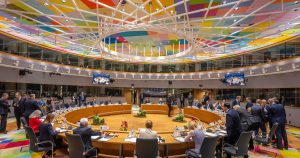
“The decision must be made by the end of this year,” Ukrainian President Volodymyr Zelenskyy told reporters at the summit, adding that his country would have to begin reducing the number of drones it produces if the EU money fails to materialize.
Diplomats and officials who spoke to POLITICO insisted the Russian assets proposal was the only option on the table.
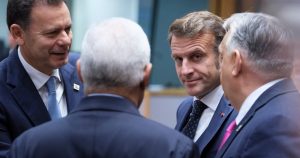
Part of the problem is managing relations with Belgian Prime Minister Bart De Wever, who has won domestic plaudits for his stance. Three diplomats with knowledge of the talks said they feared the Flemish nationalist has reached a point where he cannot back down and will need to show he has won major concessions.





إرسال التعليق